 vi
vi  en
en  28/08/25
 trongtrepro
The Role of Family in Early Childhood Education
Early education has been proven to bring numerous benefits to children in their first years of life. This is a period when the brain develops most powerfully, allowing children to absorb knowledge faster and easier than at any other stage. Therefore, parents can begin early education from a young age, even before their child enters school, if they have the right and scientific preparation.
In a narrow sense, early education is often synonymous with preschool education—a system of well-structured programs for nurturing and teaching children, with established quality standards, professionally trained teachers and staff, and appropriate facilities, learning tools, and toys.
In a broader sense, any activity that adults perform for children—from the time they are in the womb until they enter elementary school—to ensure their safety and support their physical, mental, and intellectual development, is considered early education. This means that early education does not only happen at school but also begins right within the family—the first and most influential environment for a child.
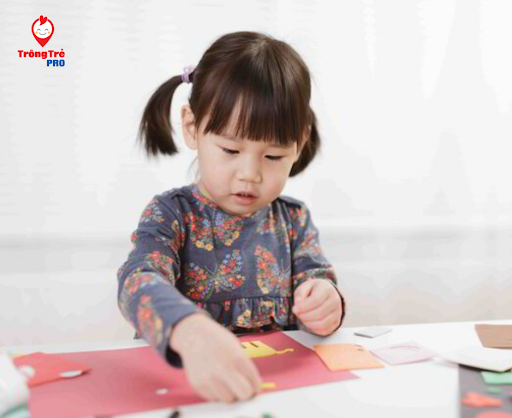
Therefore, parents absolutely do not need to wait until their child goes to kindergarten to start early education. On the contrary, the experiences a child gains within the family from a very young age form a crucial initial foundation.
What Should Parents Do to Provide Early Education for Their Children Before School?
Early education is a continuous process that requires attention, time, and love from parents. By creating a suitable environment and accompanying their child, parents will help them get ready for their future learning and development journey.
Here are some helpful suggestions that can be applied at home:
- Create a dedicated learning space at home: Parents can design a small corner specifically for their child with educational books, tools, and toys. This space encourages curiosity and exploration, and helps establish early learning habits for the child.
- Establish a reading habit: Reading to your child from a very young age has a great impact on their language skills, thinking, and vocabulary. Parents should maintain a daily reading routine—before bedtime or whenever there is free time.
- Encourage communication and social interaction: Besides the family environment, children need opportunities to meet peers, talk with relatives, and participate in small community activities. This is an effective way to develop communication skills and self-confidence.
- Monitor and observe your child’s development: Parents need to pay attention to their child’s physical and mental development, language abilities, and emotions. If you notice any unusual signs, seek advice from a specialist for timely support.
- Encourage creativity: Allow children the freedom to be creative through drawing, building blocks, doing crafts, or building small projects at home. These activities not only develop their imagination but also boost their confidence and independence.
- Be patient and consistent: During the learning process, children may face difficulties or respond slowly. The patience and consistency of parents are crucial factors in helping children make progress every day.
- Set age-appropriate goals: Instead of having overly high expectations, parents should set small but achievable goals, such as having the child learn to feed themselves, get dressed on their own, or express their needs clearly.

Combining Family and School Education—A Solution to Reduce Parental Pressure
Many parents worry that they lack the knowledge, skills, or time to provide early education for their children at home. This very anxiety creates additional pressure, turning the journey of accompanying their child into a burden.
In this context, the solution of combining family education with support from professional facilities becomes an optimal choice.
At Trông Trẻ Pro, parents can enroll in the 0–12 Months Early Education Specialized Course. The course provides scientific knowledge about the developmental stages of infants, how parents can interact effectively, foster love, and apply educational activities appropriate for each age. After the course, parents will feel more confident in supporting their child right at home.
Additionally, the At-Home Early Education service is also chosen by many parents. With this service, a teacher will come directly to the family, design a personalized education plan across five developmental areas, and accompany the child for about 1.5–4 hours per day. This solution helps children access a structured early education while parents can still balance their work and life.

Conclusion
When it comes to early education, there should be no absolute choice between family and school. Both are important and should complement each other. The most important thing is to create a loving, safe environment that creates many beautiful memories for your child.
Parents should always observe, listen to, and accompany their child so they have the opportunity to develop naturally and explore the world in their own way. And remember, early education is not a race for achievement. The ultimate goal is to nurture children who are healthy, confident, full of love, and brave enough to step into a vast world with many changes ahead.